

Syndromic Endocrine Disorders and Endocrine Malignancies
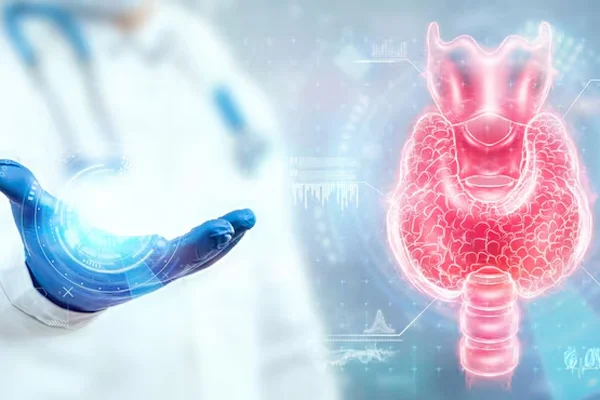
Syndromic Endocrine Disorders and Endocrine Malignancies
Syndromic Endocrine Disorders and Endocrine Malignancies in Patparganj
The endocrine system consists of glands that produce hormones responsible for regulating metabolism, growth, reproduction, blood pressure, calcium balance, and other essential body functions. Disorders affecting these glands can sometimes occur together as part of an inherited syndrome. In other cases, abnormal cell growth can lead to benign or malignant endocrine tumours.
Understanding these conditions is important because their symptoms, diagnostic requirements, and treatment approaches can vary considerably. Some endocrine disorders can be managed with medication and monitoring, while others may require genetic assessment, specialised investigations, surgery, or coordinated care involving multiple medical specialties.
For individuals researching Syndromic Endocrine Disorders and Endocrine Malignancies in Patparganj, a specialist evaluation can help identify the underlying condition and determine appropriate next steps.
Dr. Mallika Dhanda is associated with surgical oncology, breast surgery, and endocrine surgery. The assessment of endocrine tumours and related disorders depends on the specific diagnosis, tumour characteristics, hormone production, family history, and individual clinical findings.
What Are Syndromic Endocrine Disorders?
Syndromic endocrine disorders are conditions in which abnormalities affect one or more endocrine glands as part of a broader clinical syndrome. Some of these conditions are inherited and associated with changes in particular genes.
A person with an inherited endocrine syndrome may have an increased risk of developing certain tumours or hormone-related disorders during their lifetime. The age at which these conditions appear and the organs affected depend on the specific syndrome.
Recognising a possible syndrome can help guide diagnostic testing, family counselling, surveillance, and treatment planning. However, not every endocrine tumour is inherited, and a family history of cancer does not automatically indicate a hereditary syndrome.
Common Syndromic Endocrine Conditions
Several inherited conditions can involve the thyroid, parathyroid glands, adrenal glands, pancreas, or other endocrine organs.
Multiple Endocrine Neoplasia Type 1
Multiple endocrine neoplasia type 1 (MEN1) is an inherited condition associated with tumours involving the parathyroid glands, pancreatic or gastrointestinal neuroendocrine system, and pituitary gland.
Parathyroid involvement is common and may lead to elevated calcium levels. Other manifestations can include hormone-producing pancreatic neuroendocrine tumours and pituitary tumours.
Management depends on the affected organs, hormone abnormalities, tumour characteristics, and the individual's health. Regular surveillance and coordinated specialist care may be necessary.
Multiple Endocrine Neoplasia Type 2
Multiple endocrine neoplasia type 2 (MEN2) is an inherited syndrome associated with medullary thyroid cancer and, in some cases, pheochromocytoma and parathyroid disease.
Genetic testing can play an important role in identifying individuals with relevant inherited variants. Depending on the specific genetic finding, preventive or therapeutic thyroid surgery and surveillance for other associated conditions may be considered.
Management requires careful assessment because the timing and type of intervention depend on the genetic result, clinical findings, and individual risk.
Von Hippel–Lindau Disease
Von Hippel–Lindau (VHL) disease is an inherited condition associated with tumours and cysts affecting several organs. Certain affected individuals may develop pheochromocytomas or pancreatic neuroendocrine tumours.
Care involves appropriate surveillance, diagnostic evaluation, and treatment planning according to the organs involved and the characteristics of any identified lesion.
Other Hereditary Endocrine Tumour Conditions
Other inherited conditions can increase the risk of specific endocrine tumours. Their evaluation may involve genetic counselling, targeted testing, family history assessment, and long-term surveillance.
Identifying the particular syndrome is important because screening recommendations and treatment decisions differ between conditions.
What Are Endocrine Malignancies?
Endocrine malignancies are cancers arising in hormone-producing glands or related endocrine tissues. Some tumours produce excessive hormones, while others do not cause noticeable hormonal symptoms.
The behaviour of endocrine tumours varies according to the organ involved, tumour type, pathological characteristics, and extent of disease. Some tumours grow slowly, whereas others may spread to lymph nodes or distant organs.
Examples of endocrine malignancies include:
- Thyroid cancer: Malignant growth arising from thyroid cells, with different types requiring different treatment approaches.
- Medullary thyroid cancer: A cancer arising from the thyroid's parafollicular C cells. It can occur sporadically or as part of MEN2.
- Adrenocortical carcinoma: An uncommon cancer arising from the adrenal cortex.
- Pancreatic neuroendocrine tumours: Tumours arising from pancreatic neuroendocrine cells, with behaviour ranging from relatively indolent to aggressive.
- Other neuroendocrine tumours: These may arise in different organs and require assessment according to their location and biological characteristics.
Not every endocrine tumour is malignant. Establishing the diagnosis and understanding the tumour's behaviour are essential before selecting treatment.
Symptoms That May Require Investigation
Symptoms depend on the affected gland, whether the tumour produces hormones, and whether it affects nearby structures.
Possible symptoms include:
- A lump or swelling in the neck.
- Persistent hoarseness or difficulty swallowing.
- Unexplained high blood pressure or episodes of palpitations and sweating.
- Abnormal calcium levels, kidney stones, or bone-related symptoms.
- Unexplained changes in blood glucose.
- Recurrent abdominal discomfort or persistent digestive symptoms.
- Symptoms associated with excess or deficient hormone production.
Some endocrine tumours are discovered incidentally during imaging performed for another reason. Others may cause no obvious symptoms during their early stages.
These symptoms can have many causes and do not establish the presence of an endocrine tumour. Medical evaluation is necessary to determine whether further investigation is appropriate.
How Are Syndromic Endocrine Disorders Diagnosed?
The diagnostic process is based on the suspected condition and may involve several types of assessment.
Medical and Family History
A clinician reviews the patient's symptoms, previous diagnoses, medication use, and family history of endocrine tumours or related cancers.
A pattern of particular tumours across generations or the presence of multiple endocrine abnormalities may prompt consideration of a hereditary syndrome.
Hormonal Blood and Urine Tests
Laboratory investigations help identify hormone excess or deficiency. Depending on the suspected condition, testing may include thyroid function, calcium, parathyroid hormone, cortisol-related measurements, catecholamine metabolites, glucose, or other relevant markers.
The tests selected depend on the clinical presentation rather than a single standard panel for all patients.
Imaging Investigations
Ultrasound, computed tomography (CT), magnetic resonance imaging (MRI), and selected specialised imaging techniques may help identify and characterise endocrine lesions.
The choice of imaging depends on the suspected tumour, its location, and the information needed for treatment planning.
Genetic Counselling and Testing
Genetic counselling may be recommended when the medical or family history suggests an inherited endocrine syndrome. Genetic testing can help establish whether a relevant inherited variant is present.
Results may influence surveillance, preventive treatment decisions, and recommendations for relatives. Testing should be accompanied by appropriate counselling to explain its implications and limitations.
Biopsy and Pathological Assessment
Depending on the organ and suspected tumour, tissue examination may be necessary to establish a diagnosis or determine tumour characteristics. Biopsy is not appropriate for every endocrine lesion and should be considered only after the relevant clinical evaluation.
Treatment Options for Endocrine Malignancies
Treatment depends on the tumour type, stage, hormone production, genetic findings, and the patient's general health. Management may involve observation, medication, surgery, or other cancer treatments.
Endocrine Surgery
Surgery may be recommended when an endocrine tumour requires removal or when an inherited syndrome creates a specific indication for intervention.
Examples include selected thyroid cancers, certain parathyroid disorders, hormone-producing adrenal tumours, and pancreatic neuroendocrine tumours.
The operation may involve removing part or all of the affected gland or a more extensive procedure when indicated. The surgical plan depends on tumour location, disease extent, surrounding structures, and the patient's clinical circumstances.
Medication and Hormone Management
Some endocrine conditions require medicines to control hormone production, manage symptoms, or correct hormone deficiencies.
Following surgery, certain patients need long-term hormone replacement. Others may require temporary medication and laboratory monitoring while their endocrine function stabilises.
Additional Cancer Treatment
Depending on the tumour type and stage, treatment may also involve targeted medicines, radiation therapy, or other systemic therapies. These options are not suitable for every endocrine malignancy and should be considered according to established clinical indications.
Surveillance and Follow-Up
Some selected endocrine lesions may be monitored with periodic imaging, laboratory testing, and clinical review. Follow-up schedules depend on the tumour's behaviour, inherited risk, previous treatment, and the possibility of recurrence or new tumours.
The Role of Specialist Endocrine Surgery
Specialist surgical assessment helps determine whether an endocrine lesion requires surgery and which procedure may be appropriate. The decision involves reviewing clinical findings, hormonal investigations, imaging, and pathology results where available.
For individuals seeking information about Syndromic Endocrine Disorders and Endocrine Malignancies in Patparganj, a consultation can help clarify the diagnosis and explain the potential benefits, risks, and alternatives associated with treatment.
Dr. Mallika Dhanda is associated with surgical oncology, breast surgery, and endocrine surgery. Patients should confirm the availability of consultations for their specific endocrine condition and the procedures offered at the relevant Patparganj facility.
Depending on the diagnosis, care may involve coordination among surgeons, endocrinologists, medical oncologists, radiologists, pathologists, and genetic counsellors.
Treatment decisions should be individualised and based on clinical evidence, appropriate investigations, and informed discussion with the treating team.
Frequently Asked Questions
1. What are syndromic endocrine disorders?
Syndromic endocrine disorders are conditions in which abnormalities affect one or more hormone-producing glands as part of a broader syndrome. Some are inherited and may increase the risk of particular endocrine tumours.
2. What is multiple endocrine neoplasia?
Multiple endocrine neoplasia refers to inherited conditions associated with tumours or abnormalities in multiple endocrine organs. MEN1 and MEN2 have different clinical features and require syndrome-specific evaluation.
3. Are all endocrine tumours cancerous?
No. Endocrine tumours may be benign or malignant. Their diagnosis and management depend on the organ involved, imaging findings, hormone production, pathology, and other clinical factors.
4. When is surgery recommended for endocrine malignancies?
Surgery may be recommended for selected thyroid cancers, adrenal malignancies, pancreatic neuroendocrine tumours, and other endocrine tumours. The decision depends on the diagnosis, disease extent, and expected benefits and risks.
5. Is genetic testing necessary for every endocrine tumour?
No. Genetic testing is considered when the tumour type, age at diagnosis, family history, or other clinical features suggest an inherited condition. A qualified professional can explain whether testing is appropriate.
6. Where can patients seek an evaluation for endocrine malignancies in Patparganj?
Patients can contact the relevant healthcare facility to confirm consultation availability with Dr. Mallika Dhanda. The assessment and treatment plan will depend on the suspected condition, investigation results, and clinical requirements.
Medical content and NMC compliance: This article is intended for general education. It avoids guaranteed outcomes, unsupported superiority claims, and misleading treatment promises. Before publication, verify the latest applicable NMC professional conduct guidance and confirm the doctor's designation, available services, and Patparganj consultation details.
All six SEO articles are now complete. Before publishing, I recommend checking each page's metadata, primary keyword placement, factual clinical details, and current applicable medical advertising requirements.
Here is the sixth and final article in your SEO1200 series for Dr. Mallika Dhanda. It uses an educational, patient-focused approach, with balanced descriptions of endocrine disorders, diagnostic investigations, and treatment options in line with your healthcare content compliance requirements.
Meta Title: Endocrine Disorders and Malignancies in Patparganj
Meta Description: Learn about syndromic endocrine disorders and endocrine malignancies in Patparganj, including symptoms, genetic evaluation, diagnosis, surgery and follow-up care.
Syndromic Endocrine Disorders and Endocrine Malignancies in Patparganj
The endocrine system consists of glands that produce hormones responsible for regulating metabolism, growth, reproduction, blood pressure, calcium balance, and other essential body functions. Disorders affecting these glands can sometimes occur together as part of an inherited syndrome. In other cases, abnormal cell growth can lead to benign or malignant endocrine tumours.
Understanding these conditions is important because their symptoms, diagnostic requirements, and treatment approaches can vary considerably. Some endocrine disorders can be managed with medication and monitoring, while others may require genetic assessment, specialised investigations, surgery, or coordinated care involving multiple medical specialties.
For individuals researching Syndromic Endocrine Disorders and Endocrine Malignancies in Patparganj, a specialist evaluation can help identify the underlying condition and determine appropriate next steps.
Dr. Mallika Dhanda is associated with surgical oncology, breast surgery, and endocrine surgery. The assessment of endocrine tumours and related disorders depends on the specific diagnosis, tumour characteristics, hormone production, family history, and individual clinical findings.
What Are Syndromic Endocrine Disorders?
Syndromic endocrine disorders are conditions in which abnormalities affect one or more endocrine glands as part of a broader clinical syndrome. Some of these conditions are inherited and associated with changes in particular genes.
A person with an inherited endocrine syndrome may have an increased risk of developing certain tumours or hormone-related disorders during their lifetime. The age at which these conditions appear and the organs affected depend on the specific syndrome.
Recognising a possible syndrome can help guide diagnostic testing, family counselling, surveillance, and treatment planning. However, not every endocrine tumour is inherited, and a family history of cancer does not automatically indicate a hereditary syndrome.
Common Syndromic Endocrine Conditions
Several inherited conditions can involve the thyroid, parathyroid glands, adrenal glands, pancreas, or other endocrine organs.
Multiple Endocrine Neoplasia Type 1
Multiple endocrine neoplasia type 1 (MEN1) is an inherited condition associated with tumours involving the parathyroid glands, pancreatic or gastrointestinal neuroendocrine system, and pituitary gland.
Parathyroid involvement is common and may lead to elevated calcium levels. Other manifestations can include hormone-producing pancreatic neuroendocrine tumours and pituitary tumours.
Management depends on the affected organs, hormone abnormalities, tumour characteristics, and the individual's health. Regular surveillance and coordinated specialist care may be necessary.
Multiple Endocrine Neoplasia Type 2
Multiple endocrine neoplasia type 2 (MEN2) is an inherited syndrome associated with medullary thyroid cancer and, in some cases, pheochromocytoma and parathyroid disease.
Genetic testing can play an important role in identifying individuals with relevant inherited variants. Depending on the specific genetic finding, preventive or therapeutic thyroid surgery and surveillance for other associated conditions may be considered.
Management requires careful assessment because the timing and type of intervention depend on the genetic result, clinical findings, and individual risk.
Von Hippel–Lindau Disease
Von Hippel–Lindau (VHL) disease is an inherited condition associated with tumours and cysts affecting several organs. Certain affected individuals may develop pheochromocytomas or pancreatic neuroendocrine tumours.
Care involves appropriate surveillance, diagnostic evaluation, and treatment planning according to the organs involved and the characteristics of any identified lesion.
Other Hereditary Endocrine Tumour Conditions
Other inherited conditions can increase the risk of specific endocrine tumours. Their evaluation may involve genetic counselling, targeted testing, family history assessment, and long-term surveillance.
Identifying the particular syndrome is important because screening recommendations and treatment decisions differ between conditions.
What Are Endocrine Malignancies?
Endocrine malignancies are cancers arising in hormone-producing glands or related endocrine tissues. Some tumours produce excessive hormones, while others do not cause noticeable hormonal symptoms.
The behaviour of endocrine tumours varies according to the organ involved, tumour type, pathological characteristics, and extent of disease. Some tumours grow slowly, whereas others may spread to lymph nodes or distant organs.
Examples of endocrine malignancies include:
- Thyroid cancer: Malignant growth arising from thyroid cells, with different types requiring different treatment approaches.
- Medullary thyroid cancer: A cancer arising from the thyroid's parafollicular C cells. It can occur sporadically or as part of MEN2.
- Adrenocortical carcinoma: An uncommon cancer arising from the adrenal cortex.
- Pancreatic neuroendocrine tumours: Tumours arising from pancreatic neuroendocrine cells, with behaviour ranging from relatively indolent to aggressive.
- Other neuroendocrine tumours: These may arise in different organs and require assessment according to their location and biological characteristics.
Not every endocrine tumour is malignant. Establishing the diagnosis and understanding the tumour's behaviour are essential before selecting treatment.
Symptoms That May Require Investigation
Symptoms depend on the affected gland, whether the tumour produces hormones, and whether it affects nearby structures.
Possible symptoms include:
- A lump or swelling in the neck.
- Persistent hoarseness or difficulty swallowing.
- Unexplained high blood pressure or episodes of palpitations and sweating.
- Abnormal calcium levels, kidney stones, or bone-related symptoms.
- Unexplained changes in blood glucose.
- Recurrent abdominal discomfort or persistent digestive symptoms.
- Symptoms associated with excess or deficient hormone production.
Some endocrine tumours are discovered incidentally during imaging performed for another reason. Others may cause no obvious symptoms during their early stages.
These symptoms can have many causes and do not establish the presence of an endocrine tumour. Medical evaluation is necessary to determine whether further investigation is appropriate.
How Are Syndromic Endocrine Disorders Diagnosed?
The diagnostic process is based on the suspected condition and may involve several types of assessment.
Medical and Family History
A clinician reviews the patient's symptoms, previous diagnoses, medication use, and family history of endocrine tumours or related cancers.
A pattern of particular tumours across generations or the presence of multiple endocrine abnormalities may prompt consideration of a hereditary syndrome.
Hormonal Blood and Urine Tests
Laboratory investigations help identify hormone excess or deficiency. Depending on the suspected condition, testing may include thyroid function, calcium, parathyroid hormone, cortisol-related measurements, catecholamine metabolites, glucose, or other relevant markers.
The tests selected depend on the clinical presentation rather than a single standard panel for all patients.
Imaging Investigations
Ultrasound, computed tomography (CT), magnetic resonance imaging (MRI), and selected specialised imaging techniques may help identify and characterise endocrine lesions.
The choice of imaging depends on the suspected tumour, its location, and the information needed for treatment planning.
Genetic Counselling and Testing
Genetic counselling may be recommended when the medical or family history suggests an inherited endocrine syndrome. Genetic testing can help establish whether a relevant inherited variant is present.
Results may influence surveillance, preventive treatment decisions, and recommendations for relatives. Testing should be accompanied by appropriate counselling to explain its implications and limitations.
Biopsy and Pathological Assessment
Depending on the organ and suspected tumour, tissue examination may be necessary to establish a diagnosis or determine tumour characteristics. Biopsy is not appropriate for every endocrine lesion and should be considered only after the relevant clinical evaluation.
Treatment Options for Endocrine Malignancies
Treatment depends on the tumour type, stage, hormone production, genetic findings, and the patient's general health. Management may involve observation, medication, surgery, or other cancer treatments.
Endocrine Surgery
Surgery may be recommended when an endocrine tumour requires removal or when an inherited syndrome creates a specific indication for intervention.
Examples include selected thyroid cancers, certain parathyroid disorders, hormone-producing adrenal tumours, and pancreatic neuroendocrine tumours.
The operation may involve removing part or all of the affected gland or a more extensive procedure when indicated. The surgical plan depends on tumour location, disease extent, surrounding structures, and the patient's clinical circumstances.
Medication and Hormone Management
Some endocrine conditions require medicines to control hormone production, manage symptoms, or correct hormone deficiencies.
Following surgery, certain patients need long-term hormone replacement. Others may require temporary medication and laboratory monitoring while their endocrine function stabilises.
Additional Cancer Treatment
Depending on the tumour type and stage, treatment may also involve targeted medicines, radiation therapy, or other systemic therapies. These options are not suitable for every endocrine malignancy and should be considered according to established clinical indications.
Surveillance and Follow-Up
Some selected endocrine lesions may be monitored with periodic imaging, laboratory testing, and clinical review. Follow-up schedules depend on the tumour's behaviour, inherited risk, previous treatment, and the possibility of recurrence or new tumours.
The Role of Specialist Endocrine Surgery
Specialist surgical assessment helps determine whether an endocrine lesion requires surgery and which procedure may be appropriate. The decision involves reviewing clinical findings, hormonal investigations, imaging, and pathology results where available.
For individuals seeking information about Syndromic Endocrine Disorders and Endocrine Malignancies in Patparganj, a consultation can help clarify the diagnosis and explain the potential benefits, risks, and alternatives associated with treatment.
Dr. Mallika Dhanda is associated with surgical oncology, breast surgery, and endocrine surgery. Patients should confirm the availability of consultations for their specific endocrine condition and the procedures offered at the relevant Patparganj facility.
Depending on the diagnosis, care may involve coordination among surgeons, endocrinologists, medical oncologists, radiologists, pathologists, and genetic counsellors.
Treatment decisions should be individualised and based on clinical evidence, appropriate investigations, and informed discussion with the treating team.
Frequently Asked Questions
1. What are syndromic endocrine disorders?
Syndromic endocrine disorders are conditions in which abnormalities affect one or more hormone-producing glands as part of a broader syndrome. Some are inherited and may increase the risk of particular endocrine tumours.
2. What is multiple endocrine neoplasia?
Multiple endocrine neoplasia refers to inherited conditions associated with tumours or abnormalities in multiple endocrine organs. MEN1 and MEN2 have different clinical features and require syndrome-specific evaluation.
3. Are all endocrine tumours cancerous?
No. Endocrine tumours may be benign or malignant. Their diagnosis and management depend on the organ involved, imaging findings, hormone production, pathology, and other clinical factors.
4. When is surgery recommended for endocrine malignancies?
Surgery may be recommended for selected thyroid cancers, adrenal malignancies, pancreatic neuroendocrine tumours, and other endocrine tumours. The decision depends on the diagnosis, disease extent, and expected benefits and risks.
5. Is genetic testing necessary for every endocrine tumour?
No. Genetic testing is considered when the tumour type, age at diagnosis, family history, or other clinical features suggest an inherited condition. A qualified professional can explain whether testing is appropriate.
6. Where can patients seek an evaluation for endocrine malignancies in Patparganj?
Patients can contact the relevant healthcare facility to confirm consultation availability with Dr. Mallika Dhanda. The assessment and treatment plan will depend on the suspected condition, investigation results, and clinical requirements.