Thyroid and Parathyroid Disorders and Surgery
Thyroid and Parathyroid Disorders and Surgery
SEO Article 4: Thyroid and Parathyroid Disorders and Surgery in Patparganj
Meta Title: Thyroid and Parathyroid Surgery in Patparganj
Meta Description:
Thyroid and Parathyroid Disorders and Surgery in Patparganj
The thyroid and parathyroid glands play important roles in maintaining normal body functions. The thyroid gland helps regulate metabolism, energy use, heart rate, and body temperature. The parathyroid glands regulate calcium levels, which are essential for healthy bones, muscles, and nerve function.
Disorders affecting these glands can range from hormone imbalances and benign growths to conditions that may require surgical treatment. Proper diagnosis helps determine whether a condition can be managed with medication and monitoring or whether surgery should be considered.
For individuals seeking information about Thyroid and Parathyroid Disorders and Surgery in Patparganj, understanding the symptoms, diagnostic process, and available treatment options can help prepare them for a medical consultation.
Dr. Mallika Dhanda is associated with surgical oncology, breast surgery, and endocrine surgery. The evaluation of thyroid and parathyroid conditions involves assessing the underlying disorder, reviewing investigations, and determining the most appropriate management approach for each patient.
Understanding the Thyroid Gland
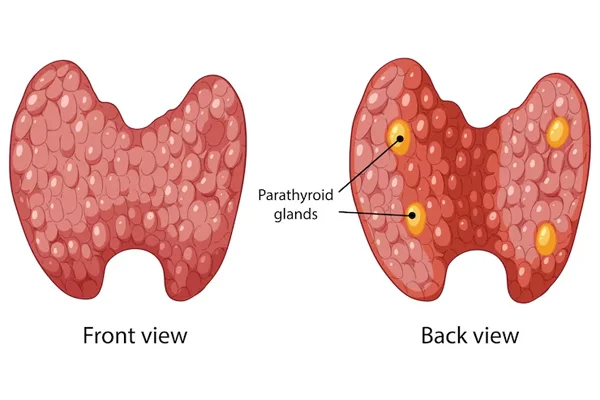
The thyroid is a butterfly-shaped gland located at the front of the neck, below the voice box. It produces hormones that influence metabolism and several other body processes.
Thyroid disorders may affect hormone production, gland size, or the structure of the gland. Some conditions cause excessive hormone production, while others reduce hormone levels. Structural abnormalities may include thyroid nodules, enlargement, and, in some cases, thyroid cancer.
Common thyroid conditions include:
- Hypothyroidism: A condition in which the thyroid does not produce enough thyroid hormone.
- Hyperthyroidism: Excess thyroid hormone production, which can increase metabolic activity.
- Thyroid nodules: Lumps within the thyroid that may be solid, fluid-filled, benign, or malignant.
- Goitre: Enlargement of the thyroid gland.
- Thyroiditis: Inflammation of the thyroid, which may affect hormone production.
- Thyroid cancer: Malignant growth arising from thyroid cells.
Not every thyroid disorder requires surgery. Treatment depends on hormone levels, symptoms, imaging findings, biopsy results when indicated, and the overall clinical assessment.
Understanding the Parathyroid Glands
The parathyroid glands are usually four small glands located behind the thyroid. They produce parathyroid hormone, which helps regulate calcium and phosphate levels in the body.
Parathyroid disorders may cause calcium levels to become abnormally high or low. These changes can affect bones, kidneys, muscles, and the nervous system.
Common parathyroid conditions include:
Primary hyperparathyroidism: The glands produce excessive parathyroid hormone, often because one gland has developed a benign growth called an adenoma. This can cause elevated blood calcium levels.
Secondary hyperparathyroidism: The glands become overactive in response to another condition, commonly chronic kidney disease or vitamin D deficiency.
Parathyroid adenoma: A usually benign growth that may produce excess parathyroid hormone.
Parathyroid carcinoma: A rare malignant tumour of the parathyroid gland that requires specialised assessment and management.
Treatment depends on the cause, laboratory findings, symptoms, kidney function, bone health, and other clinical considerations.
Symptoms of Thyroid Disorders
Symptoms vary according to the type of thyroid condition. Some people may have few noticeable symptoms, particularly when a nodule is small or hormone levels remain normal.
Possible symptoms of hypothyroidism include:
- Fatigue and reduced energy.
- Sensitivity to cold.
- Constipation.
- Dry skin.
- Unexplained weight gain.
- Difficulty concentrating.
Possible symptoms of hyperthyroidism include:
- Rapid heartbeat or palpitations.
- Heat intolerance and increased sweating.
- Unintentional weight loss.
- Tremors or nervousness.
- Difficulty sleeping.
- More frequent bowel movements.
Thyroid enlargement or nodules may cause a visible swelling in the neck, a feeling of pressure, difficulty swallowing, or voice changes.
These symptoms can occur for several reasons and cannot establish a diagnosis on their own. A medical assessment is necessary to determine their cause.
Symptoms of Parathyroid Disorders
Parathyroid conditions may be detected through blood tests before symptoms develop. When calcium levels become abnormal, symptoms can vary from mild to more significant.
Possible features of elevated calcium levels include:
- Increased thirst and frequent urination.
- Fatigue or weakness.
- Constipation.
- Nausea or reduced appetite.
- Kidney stones.
- Bone discomfort or reduced bone density.
- Difficulty concentrating.
Low calcium levels may cause tingling around the mouth or in the fingers and toes, muscle cramps, or spasms. Severe hypocalcaemia can be a medical emergency.
These symptoms are not specific to parathyroid disease. Blood tests and further investigations are needed to identify the underlying cause.
How Are Thyroid and Parathyroid Disorders Diagnosed?
Diagnosis involves a review of symptoms, medical history, examination findings, and appropriate investigations. The tests required depend on the suspected condition.
Thyroid Function Tests
Blood tests commonly measure thyroid-stimulating hormone (TSH) and, when indicated, thyroid hormones such as free T4 and T3. These results help assess whether the gland is underactive or overactive.
Additional blood tests may be required when an autoimmune thyroid condition or another specific disorder is suspected.
Thyroid Ultrasound
Ultrasound uses sound waves to examine the size and structure of the thyroid gland. It can identify nodules, assess their features, and help determine whether further evaluation is required.
Fine-Needle Aspiration Biopsy
A fine-needle aspiration biopsy may be recommended for selected thyroid nodules based on their ultrasound appearance, size, and clinical risk factors. A sample of cells is examined to assess whether the nodule is benign, suspicious, or malignant.
Not every thyroid nodule requires a biopsy or operation.
Calcium and Parathyroid Hormone Testing
Blood tests measuring calcium and parathyroid hormone help evaluate suspected parathyroid disorders. Depending on the findings, clinicians may also check phosphate, vitamin D, and kidney function.
Additional Imaging
In selected cases, additional imaging may help identify abnormal parathyroid tissue or assess the extent of a thyroid condition. Imaging is chosen according to the diagnosis and planned management.
For parathyroid surgery, localisation studies can assist surgical planning, but the diagnosis of a parathyroid disorder generally relies on clinical and biochemical findings rather than imaging alone.
When Is Thyroid Surgery Recommended?
Thyroid surgery may be considered when a thyroid condition meets specific clinical indications. These may include:
- A thyroid nodule with biopsy findings suspicious for or diagnostic of cancer.
- A confirmed thyroid malignancy requiring surgical treatment.
- A large goitre causing pressure symptoms or difficulty swallowing or breathing.
- Selected cases of hyperthyroidism when surgery is an appropriate treatment option.
- A thyroid nodule with concerning growth or other findings requiring surgical assessment.
Depending on the diagnosis, the operation may involve removing part of the thyroid or the entire gland.
Hemithyroidectomy: Removal of one thyroid lobe, sometimes recommended for selected nodules or other localised conditions.
Total thyroidectomy: Removal of the entire thyroid gland, which may be indicated for certain thyroid cancers, extensive disease, or selected other conditions.
After total thyroidectomy, lifelong thyroid hormone replacement is generally required. Some patients undergoing partial removal may also need hormone replacement, depending on the remaining thyroid function.
The choice of procedure depends on the diagnosis, disease extent, test results, and the patient's clinical circumstances.
When Is Parathyroid Surgery Recommended?
Parathyroid surgery may be recommended for selected patients with primary hyperparathyroidism, particularly when symptoms or established clinical criteria indicate that an operation may be beneficial.
The decision may take into account calcium levels, kidney function, kidney stones, bone density, age, and other relevant factors.
Parathyroidectomy involves removing the abnormal parathyroid gland or glands responsible for the disorder. The surgical approach depends on the diagnosis and the location of the abnormal tissue.
After surgery, calcium levels may need close monitoring. Some patients require calcium or vitamin D supplementation during recovery, depending on their laboratory findings and clinical condition.
Secondary hyperparathyroidism, especially in people with chronic kidney disease, requires management of the underlying cause. Surgery may be considered in selected cases when other treatment approaches do not adequately control the condition.
Potential Risks and Recovery After Endocrine Surgery
Thyroid and parathyroid operations are specialised procedures and carry risks that should be discussed before treatment.
Potential complications may include bleeding, infection, changes in voice, injury to nearby structures, and changes in calcium levels. The specific risks depend on the operation, the patient's health, and the nature of the disease.
Recovery varies. Patients may require wound care, follow-up examinations, laboratory tests, and medication adjustments. Thyroid hormone levels or calcium levels may need to be monitored after surgery.
Patients should follow their surgical team's instructions and seek urgent medical assessment if they develop breathing difficulty, rapidly increasing neck swelling, or severe symptoms associated with low calcium levels.
Thyroid and Parathyroid Disorders and Surgery in Patparganj: Consultation
A consultation for Thyroid and Parathyroid Disorders and Surgery in Patparganj can help determine the nature of a thyroid or parathyroid problem and whether surgery is appropriate.
Dr. Mallika Dhanda is associated with surgical oncology, breast surgery, and endocrine surgery. Patients considering an assessment should confirm the availability of the relevant consultation and surgical services at the Patparganj facility.
Patients should bring previous blood test results, ultrasound reports, biopsy findings, medication details, and relevant medical records where available. These details can help the treating clinician assess the condition and discuss possible next steps.
Treatment recommendations should be based on the diagnosis, clinical evidence, potential benefits and risks, and the patient's informed preferences. Depending on the condition, care may involve coordination with an endocrinologist, radiologist, pathologist, or other specialists.
Frequently Asked Questions
1. What are common thyroid disorders?
Common thyroid disorders include hypothyroidism, hyperthyroidism, thyroid nodules, goitre, thyroiditis, and thyroid cancer. Their management depends on symptoms, hormone levels, imaging findings, and the diagnosis.
2. Does every thyroid nodule require surgery?
No. Many thyroid nodules are benign and may be monitored. Surgery may be considered when biopsy findings, symptoms, growth, or other clinical factors warrant intervention.
3. What is the difference between thyroid and parathyroid surgery?
Thyroid surgery treats selected conditions affecting the thyroid gland, while parathyroid surgery removes abnormal parathyroid tissue responsible for certain calcium-regulation disorders.
4. What tests are used to diagnose parathyroid disorders?
Evaluation commonly includes blood calcium and parathyroid hormone measurements. Additional tests may assess vitamin D, kidney function, phosphate levels, and bone health.
5. Will thyroid hormone medication be needed after surgery?
After total thyroidectomy, thyroid hormone replacement is generally needed for life. After partial thyroid removal, medication requirements depend on the function of the remaining thyroid tissue.
6. When should I seek medical advice for a thyroid or parathyroid condition?
Medical assessment is appropriate for a new neck lump, persistent neck swelling, unexplained thyroid-related symptoms, abnormal calcium results, or suspected parathyroid disease. Breathing difficulty or rapidly increasing neck swelling requires urgent medical attention.