

Benign and Malignant Breast Disease
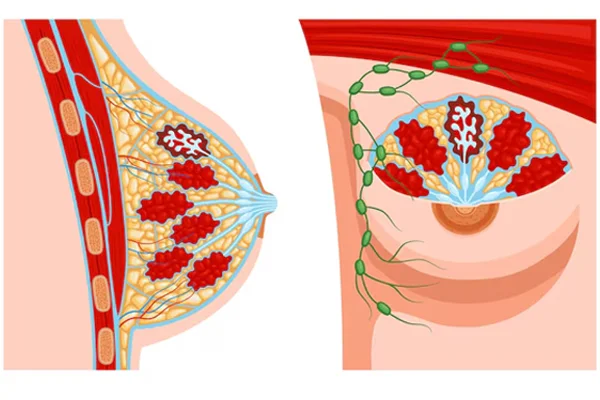
Benign and Malignant Breast Disease in Patparganj
Breast health is an important part of overall health, and changes in the breast should be evaluated appropriately. Breast lumps, pain, swelling, nipple discharge, and changes in the skin can occur for several reasons. While many breast conditions are benign, some may require further investigation to determine whether cancer is present.
For individuals seeking information about Benign and Malignant Breast Disease in Patparganj, understanding the differences between non-cancerous and cancerous conditions can help them recognise symptoms and seek timely medical advice.
Dr. Mallika Dhanda is associated with surgical oncology, breast surgery, and endocrine surgery. The evaluation of breast conditions may involve clinical examination, imaging, biopsy, and a discussion of appropriate treatment options based on the diagnosis.
Treatment decisions should be individualised. Not every breast lump requires surgery, and the presence of a breast symptom does not automatically indicate cancer.
What Is Benign Breast Disease?
Benign breast disease refers to conditions that are not cancerous. These conditions may affect breast tissue, ducts, connective tissue, or other structures. Some cause noticeable symptoms, while others are identified during routine examination or imaging.
Common benign breast conditions include:
· Fibroadenoma: A non-cancerous breast lump composed of glandular and connective tissue. It is commonly encountered in younger women.
· Breast cysts: Fluid-filled sacs within breast tissue that may sometimes cause discomfort or tenderness.
· Fibrocystic breast changes: Changes in breast tissue that may be associated with lumpiness, swelling, or pain.
· Mastitis: Inflammation of breast tissue that may occur with or without infection, including during breastfeeding.
· Duct ectasia: A condition involving the widening of milk ducts, which may cause nipple discharge or local discomfort.
· Intraductal papilloma: A usually benign growth within a breast duct that can sometimes cause nipple discharge.
The appropriate management depends on the specific condition, the symptoms, imaging findings, and any changes over time. Some benign conditions need only observation, while others may require medication, drainage, biopsy, or surgical removal.
What Is Malignant Breast Disease?
Malignant breast disease refers to cancerous growth involving breast tissue. Breast cancer develops when abnormal cells grow in an uncontrolled manner and may invade nearby tissues or spread to other parts of the body.
Breast cancer is not a single disease. Different types have different biological characteristics, patterns of growth, and treatment requirements.
Common categories include:
· Ductal carcinoma in situ (DCIS): Abnormal cells confined to the milk ducts. It is considered a non-invasive form of breast cancer.
· Invasive ductal carcinoma: A cancer that begins in a milk duct and grows into surrounding breast tissue.
· Invasive lobular carcinoma: A cancer originating in the milk-producing lobules that can grow into surrounding tissue.
· Other less common breast cancers: These include certain specialised tumour types that require assessment according to their individual characteristics.
A diagnosis of malignant breast disease requires appropriate clinical investigation. Treatment planning depends on the cancer type, stage, hormone receptor status, HER2 status where relevant, general health, and patient preferences.
Symptoms That Require Medical Evaluation
Breast conditions can present with different symptoms. Some people have no noticeable symptoms, and a change may be identified during screening or imaging.
Symptoms that warrant medical evaluation include:
· A new lump in the breast or underarm.
· A change in the size, shape, or appearance of a breast.
· Persistent or localised breast discomfort.
· Nipple discharge, particularly if spontaneous or blood-stained.
· Nipple inversion or a new change in nipple position.
· Skin dimpling, thickening, redness, or an orange-peel appearance.
· A sore or wound on the breast that does not heal.
· Persistent swelling or a change in the appearance of the breast.
These symptoms do not necessarily mean that cancer is present. However, they should not be ignored, particularly when they are new, persistent, or worsening.
How Is Breast Disease Diagnosed?
The diagnosis of benign and malignant breast disease generally involves a combination of clinical assessment and appropriate investigations. The exact process depends on the person's age, symptoms, examination findings, and medical history.
Clinical Breast Examination
A healthcare professional reviews the symptoms, medical history, family history, and any previous breast investigations. A clinical examination may help identify a lump, skin change, nipple abnormality, or other findings requiring further assessment.
Breast Imaging
Imaging helps examine the structure of the breast and determine whether an area needs additional investigation.
Ultrasound: Breast ultrasound uses sound waves to assess breast tissue and can help distinguish fluid-filled cysts from solid lesions.
Mammography: Mammography uses low-dose X-rays to identify changes in breast tissue. It may be used for screening or diagnostic assessment, depending on the clinical situation.
Magnetic resonance imaging (MRI): Breast MRI may be recommended in selected cases when additional information is required.
The choice of imaging depends on the patient's age, symptoms, risk factors, and initial findings.
Breast Biopsy
When imaging or examination findings are suspicious or uncertain, a biopsy may be recommended. This involves collecting a sample of tissue for laboratory examination.
A biopsy can help determine whether a lesion is benign, malignant, or requires further assessment. The type of biopsy depends on the location and characteristics of the abnormality.
A confirmed diagnosis helps the treating team explain the available management options and develop an appropriate plan.
Treatment Options for Benign Breast Disease
Treatment for benign breast conditions varies according to the diagnosis and severity of symptoms.
Observation and Follow-Up
Some benign lumps, including certain fibroadenomas, may be monitored with clinical examinations and imaging when appropriate. The decision depends on the diagnosis, size, symptoms, and any changes over time.
Medication and Supportive Care
Certain inflammatory or painful breast conditions may be managed with medication and supportive measures. If infection is suspected, the clinician will determine whether antibiotics or additional treatment are required.
Drainage or Surgical Removal
Some breast cysts may require drainage if they cause significant discomfort or other concerns. Surgical removal may be considered for selected lumps based on symptoms, growth, diagnostic uncertainty, or other clinical indications.
Surgery is not necessary for every benign breast lesion. The potential benefits, risks, and alternatives should be discussed before treatment.
Treatment Options for Malignant Breast Disease
Treatment for breast cancer is based on the type and stage of the disease, tumour characteristics, and the patient's overall health. Care may involve one or more treatment methods.
Breast Cancer Surgery
Surgery may be recommended to remove cancerous tissue. Depending on the clinical situation, options may include breast-conserving surgery or mastectomy.
Breast-conserving surgery removes the tumour with an appropriate margin of surrounding tissue while preserving the remaining breast. Mastectomy involves removing most or all of the breast tissue.
The choice depends on factors such as tumour size, its location, disease extent, genetic or other risk factors, and patient preferences. Lymph node assessment may also be required in selected cases.
Radiation Therapy
Radiation therapy uses targeted radiation to treat cancer cells in a defined area. It may be recommended after breast-conserving surgery and in selected other circumstances.
Systemic Treatment
Depending on the cancer's characteristics, treatment may include chemotherapy, hormone therapy, targeted therapy, or immunotherapy in selected cases.
Not every patient requires every treatment. Recommendations should be based on pathology results, staging, relevant biomarkers, and multidisciplinary clinical assessment.
The Role of Specialist Breast Surgery
Specialist surgical assessment can help patients understand the nature of a breast abnormality and whether an operation is appropriate.
For Benign and Malignant Breast Disease in Patparganj, the consultation process may include reviewing previous imaging, biopsy reports, family history, and current symptoms. If surgery is indicated, the surgeon can explain the proposed procedure, expected recovery, possible complications, and follow-up requirements.
In cases of breast cancer, treatment planning may involve coordination with radiologists, pathologists, medical oncologists, radiation oncologists, and other healthcare professionals.
Patients should receive clear information about their diagnosis and reasonable alternatives before making treatment decisions. A second opinion may also be considered when the diagnosis or proposed treatment requires clarification.
Breast Health and Follow-Up Care
Follow-up depends on the type of breast condition and the treatment received. Patients with benign conditions may require observation or repeat imaging if advised by their treating clinician.
After breast cancer treatment, follow-up may involve clinical examinations, appropriate breast imaging, management of treatment-related effects, and assessment of any new symptoms. The schedule is individualised according to the diagnosis and treatment plan.
People should also discuss their personal and family history with a healthcare professional to determine whether they may benefit from an individualised screening strategy.
Maintaining awareness of normal breast appearance and reporting new changes can support timely assessment. Breast awareness does not replace recommended screening or diagnostic evaluation.
Benign and Malignant Breast Disease in Patparganj: Consultation
Individuals concerned about a breast lump, persistent pain, nipple discharge, or an abnormal imaging result should seek appropriate medical evaluation rather than assuming the cause is harmless or cancerous.
Dr. Mallika Dhanda is associated with surgical oncology, breast surgery, and endocrine surgery. Patients considering a consultation for a breast condition should confirm appointment availability and the services offered at the relevant Patparganj facility.
An assessment can help clarify the diagnosis, explain whether further tests are necessary, and outline suitable treatment options. The aim is to support an informed decision based on clinical findings, established medical practice, and the patient's individual circumstances.
Frequently Asked Questions
1. What is the difference between benign and malignant breast disease?
Benign breast disease is non-cancerous and does not invade distant organs. Malignant breast disease involves cancerous cells that can invade surrounding tissue and may spread to other parts of the body.
2. Does every breast lump indicate cancer?
No. Breast lumps may be caused by fibroadenomas, cysts, hormonal changes, inflammation, or other conditions. A new lump should be evaluated to determine its cause.
3. How is breast cancer diagnosed?
Diagnosis may involve a clinical examination, mammography, ultrasound, and a biopsy when indicated. Additional tests may be needed to determine the type and extent of the disease.
4. Does a benign breast lump always require surgery?
No. Some benign breast lumps can be monitored. Surgery may be considered when symptoms, growth, diagnostic findings, or other clinical factors make removal appropriate.
5. What treatments are available for breast cancer?
Depending on the diagnosis, treatment may include surgery, radiation therapy, chemotherapy, hormone therapy, targeted therapy, or immunotherapy in selected cases. The treatment plan is individualised.
6. When should someone seek medical advice for breast changes?
Medical evaluation is advisable for a new lump, persistent or localised pain, unusual nipple discharge, skin dimpling, nipple changes, or other new and unexplained breast symptoms.