

Endoscopic and Robotic Surgery
Endoscopic and Robotic Surgery in Patparganj
Surgical techniques have evolved to offer different approaches to diagnosing and treating a range of medical conditions. Endoscopic and robotic surgery are among the techniques used in selected surgical procedures, depending on the condition being treated, the patient's health, and the surgeon's clinical assessment. Understanding these approaches can help patients make informed decisions when discussing treatment options with a qualified medical professional.
For individuals exploring Endoscopic and Robotic Surgery in Patparganj, it is important to understand how these techniques work, where they may be applicable, and what factors influence the choice of a surgical procedure. Dr. Mallika Dhanda, associated with surgical oncology and breast and endocrine surgery, has a professional focus that includes conditions requiring specialised surgical evaluation.
The suitability of any surgical technique depends on the diagnosis, the extent of the disease, available facilities, and the expected balance of benefits and risks.
What Is Endoscopic Surgery?
Endoscopic surgery involves using an endoscope, a specialised instrument equipped with a camera and light source, to examine internal structures or perform selected procedures. Depending on the operation, the instrument may be introduced through a natural body opening or a small surgical incision.
The camera provides visual information that helps the surgical team examine the relevant area. Additional instruments may be used to perform the required procedure.
Endoscopic techniques are used in several medical and surgical specialties. Their application depends on the anatomical location, nature of the condition, and the equipment and expertise available.
In selected procedures, endoscopic approaches may reduce the need for larger incisions. However, not every condition can be managed endoscopically, and some patients may require conventional open surgery.
What Is Robotic Surgery?
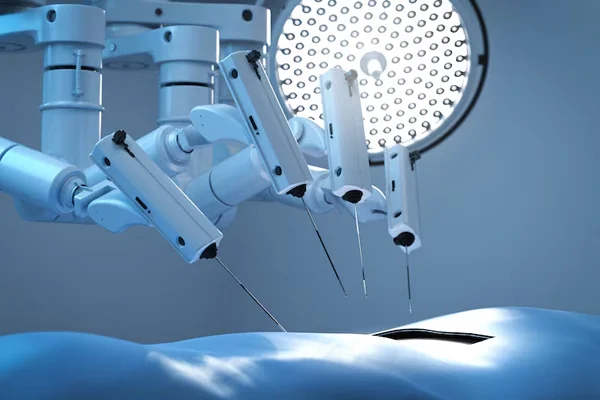
Robotic surgery is a form of computer-assisted surgery in which a surgeon controls specialised instruments through a robotic surgical system. Depending on the platform, the system may provide a magnified three-dimensional view and allow precise control of instrument movements.
The robotic system does not independently diagnose a condition or make surgical decisions. The surgeon remains responsible for planning and performing the operation.
Robotic assistance is used in selected procedures across various surgical specialties. Its role in a particular operation depends on the patient's condition, the complexity of the procedure, the available technology, and the surgeon's training.
When considering Endoscopic and Robotic Surgery in Patparganj, patients should understand that robotic surgery is not automatically more appropriate than conventional surgery. Each approach has specific indications, limitations, and risks.
Conditions That May Require Minimally Invasive Surgical Evaluation
Minimally invasive techniques may be considered for selected conditions requiring surgical treatment. The appropriate approach depends on the diagnosis and the planned procedure.
In surgical oncology and endocrine surgery, evaluation may involve conditions affecting the breast, thyroid, parathyroid glands, adrenal glands, or other endocrine structures.
Examples include:
- Breast conditions: Certain benign breast lesions and malignant breast diseases may require surgical evaluation.
- Thyroid disorders: Thyroid nodules, selected thyroid cancers, and other thyroid conditions may require further investigation and, in some cases, surgery.
- Parathyroid disorders: Abnormal parathyroid gland function may require medical assessment and surgical treatment in selected cases.
- Adrenal conditions: Adrenal masses and hormone-producing adrenal disorders may require specialist evaluation.
- Selected endocrine tumours: Some tumours involving endocrine organs require coordinated diagnostic assessment and an individualised treatment plan.
Not all these conditions are suitable for endoscopic or robotic procedures. The recommended surgical method depends on the location and size of the lesion, its relationship with surrounding structures, the possibility of malignancy, and other clinical considerations.
Potential Benefits of Endoscopic and Robotic Techniques
The potential benefits of minimally invasive surgery vary according to the procedure and the individual patient. Where clinically appropriate, these approaches may offer certain advantages compared with some conventional surgical techniques.
Smaller Surgical Incisions
Some minimally invasive procedures use smaller incisions than traditional open operations. This may reduce the size of the surgical wound, although incision size depends on the operation and whether additional access is required.
Visualisation of Surgical Structures
Endoscopic systems provide an illuminated view of internal structures. Robotic systems may offer magnified three-dimensional visualisation, depending on the equipment used. These features can assist the surgeon during selected procedures.
Recovery Considerations
Recovery time depends on the operation, the patient's general health, the extent of the disease, and whether complications occur. Certain minimally invasive procedures may be associated with a shorter hospital stay or a quicker return to routine activities.
These outcomes are not guaranteed, and recovery may still take considerable time after complex surgery.
Individualised Surgical Planning
Modern surgical care involves selecting an approach based on the clinical findings rather than using one technique for every patient. Conventional open surgery remains appropriate in many situations and may be preferred when it offers better access or is more suitable for the condition.
How Is the Appropriate Surgical Approach Selected?
Choosing between endoscopic, robotic-assisted, and open surgery requires careful clinical evaluation. A surgeon may consider the following factors before recommending a procedure.
1. Diagnosis and disease extent: Imaging, laboratory investigations, biopsy findings, or other tests may be required to determine the nature and extent of the condition.
2. Anatomical location: The position of a lesion and its relationship with nearby organs, blood vessels, and nerves can influence the surgical approach.
3. Patient health: Existing medical conditions, previous operations, medications, and anaesthesia-related considerations may affect surgical planning.
4. Expected benefits and risks: The clinical team assesses the potential advantages of each approach alongside possible complications and limitations.
5. Surgical expertise and facilities: The availability of appropriate equipment, trained personnel, and suitable hospital facilities is important when considering specialised techniques.
6. Patient preferences and informed consent: Patients should receive an understandable explanation of the proposed procedure, reasonable alternatives, expected recovery, and potential complications before providing informed consent.
What Should Patients Expect Before and After Surgery?
Preparation depends on the type of operation and the patient's medical history. Before surgery, the clinical team may review previous medical records, conduct a physical examination, arrange investigations, and assess fitness for anaesthesia.
Patients should disclose their medications, allergies, existing medical conditions, and history of previous surgery. They should also follow the instructions provided regarding fasting and medication adjustments.
After surgery, monitoring and follow-up depend on the procedure performed. Some patients may need observation in the hospital, pain management, wound care, or additional investigations. Others may require a longer recovery period or further treatment based on the underlying diagnosis.
For cancer-related operations, postoperative care may also involve reviewing the final pathology report and discussing whether additional treatment is indicated. This decision depends on the type and stage of cancer, surgical findings, and other relevant clinical information.
Patients should follow their treating team's instructions and seek medical advice if they develop concerning symptoms, such as fever, increasing wound redness, unusual discharge, persistent vomiting, or worsening pain.
Endoscopic and Robotic Surgery in Patparganj: Consultation and Evaluation
Patients considering Endoscopic and Robotic Surgery in Patparganj should begin with an assessment of their symptoms, diagnosis, and available treatment options. A consultation with a suitably qualified surgeon can help establish whether surgery is necessary and which approach may be appropriate.
Dr. Mallika Dhanda is associated with surgical oncology, breast surgery, and endocrine surgery. Patients seeking evaluation for relevant breast or endocrine conditions should confirm the availability of the required consultation and procedure when arranging an appointment.
A surgical consultation should provide an opportunity to discuss the diagnosis, proposed treatment, alternatives, potential complications, expected recovery, and follow-up requirements. The decision to proceed with surgery should be based on clinical indications and informed consent.
Frequently Asked Questions
1. What is endoscopic surgery?
Endoscopic surgery uses a specialised camera-equipped instrument to examine or treat selected conditions. Depending on the procedure, it may involve natural body openings or small incisions.
2. How does robotic surgery work?
Robotic surgery involves a surgeon controlling specialised instruments through a robotic system. The technology assists with instrument movement and visualisation, while the surgeon directs and performs the operation.
3. Is robotic surgery suitable for every patient?
No. Suitability depends on the diagnosis, disease extent, patient's health, procedure requirements, available facilities, and the surgeon's assessment.
4. Is recovery faster after minimally invasive surgery?
Some minimally invasive procedures may allow a shorter hospital stay or quicker recovery. However, recovery varies according to the operation, the patient's health, and possible complications.
5. Can breast and endocrine conditions require specialised surgery?
Yes. Certain breast, thyroid, parathyroid, adrenal, and other endocrine conditions may require surgical treatment. The need for surgery and the appropriate technique depend on the clinical findings.
6. How can patients explore Endoscopic and Robotic Surgery in Patparganj?
Patients can arrange a consultation with a suitably qualified surgeon to discuss their diagnosis, investigations, treatment alternatives, and the suitability of available surgical techniques.